Share this post!
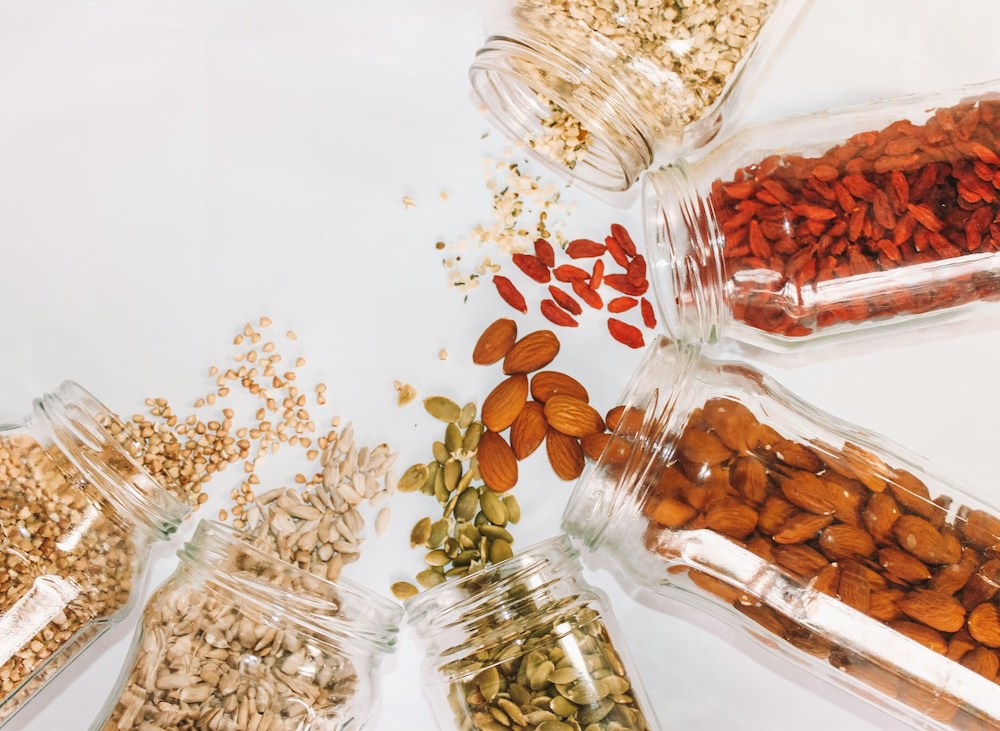
Nuts and seeds. Nuts and seeds. They are often discussed for their nutritional value, but have you ever considered the specific benefits of seeds?
It seems like every news story about nutrition mentions how beneficial nuts and seeds are to our health. We know this to be true.
But incorporating nuts into the diet seems much more commonplace. Seeds somehow feel more difficult and intimidating.
Even though seeds have been consumed for hundreds of thousands of years and used in every culture’s diet around the world, we can’t seem to find ways to eat seeds as much as we should. What a shame considering seeds are incredible powerhouses of nutrients.
If you’ve needed an excuse to eat more seeds on a regular basis, take this as your sign: Seeds are packed with protein, fiber, healthy fats and minerals.
In fact, many of the most impressive benefits of seeds come from their unique combination of nutrients packed into such a small food.
Benefits of Seeds: They Pack a Protein Punch
Honestly, pound for pound, there are certainly foods with more protein than seeds. Nuts, for one, contain more protein per serving. But seeds can still contain between 2.56g and 8.45g per 2Tbsp serving. And pumpkin seeds are the most protein-rich.
One thing they have going for them is some seeds like chia and hemp contain all nine essential amino acids (the building blocks of protein), making them a complete protein.
This is especially important for anyone who does not consume animal-based foods since complete protein can be hard to find in vegan diets.
Pumpkin seeds specifically contain high levels of tryptophan, which are used to make melatonin and serotonin. This makes them a very calming seed, especially before bed.
Benefits of Seeds: Full of Fiber
The high amount of fiber found in seeds makes them excellent for the health of the heart and gut, plus they slow the blood sugar response. Fiber also lowers cholesterol.
Seeds contain both soluble and insoluble fibers, with the insoluble fiber aiding in bulking up stool to clear out the bowels.
Seeds can contain anywhere from 0.8g to 9.75g of fiber, with chia seeds containing the most.
It is the soluble fiber that gives chia seeds a gelatinous texture when wet, making them a great option for chia pudding or overnight oats. Similarly, that same fiber in flax makes an alternative for eggs when baking. Simply mix 1Tbsp of ground flax seeds with 2.5Tbsp of water to substitute one egg.
Benefits of Seeds: Healthy Fats for Brain and Heart Health
While plenty of fat is found in seeds, it is the types of fats that put them on the healthy diet map.
Seeds can contain anywhere from 5.9g of total fat in flax to as much as the 16.1g found in sunflower seeds per 2Tbsp serving.
And it is the essential fatty acids like omega-3s that we usually need more of. The omega-3s in seeds come in the form of alpha linolenic acid (ALA). The ALA form can be used but mostly gets converted to eicosapentaenoic acid (EPA) and docosahexaenoic acid (DHA).
These two forms are incredibly supportive of brain and heart health. They also support nerve function and are anti-inflammatory.
Flax and chia seeds contain more ALA than any other seeds. Flax seeds contain 6.5g of omega-3 fatty acids per 100 grams. Compare the same amount of soybeans, which contain 1.6g of ALA or almonds that contain only 0.4g.
One thing to note about the omega-3 fatty acids is that they are very sensitive to heat. This is especially true of flax since they contain the most. Combine this with the fact that the digestive system cannot break down the outer shell of the flax seed. In order to access all the benefits from inside the seed, flax should be ground.
But because of its sensitive nature, ground flax should be stored in the refrigerator or even the freezer. And once ground, flax seeds should not be heated to a high temperature.
A Mountain of Minerals
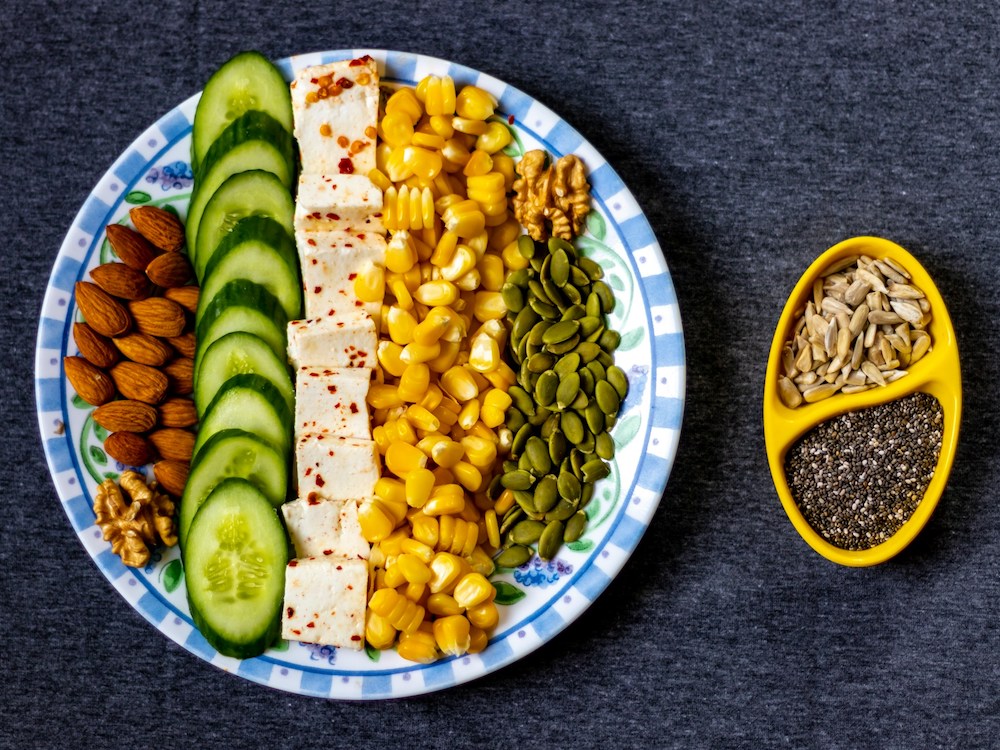
If you haven’t caught on yet, seeds are not actually some sort of monolith. As they vary greatly in texture and flavor, so too do they vary in their nutrient levels.
This couldn’t be more true than when looking at mineral levels in seeds.
Generally speaking, seeds can be a great source of vital minerals. Some are just higher in certain minerals than others.
One of the lesser-known benefits of seeds is just how many essential minerals they provide, often in amounts that rival or exceed other commonly consumed foods.
These numbers are sourced from the U.S. Department of Agriculture and are per 100g serving.
Calcium
- Flax: 230mg
- Chia: 631mg
- Sunflower: 70mg
- Sesame: 60mg
- Pumpkin: 52mg
Iron
- Flax: 5.78mg
- Chia: 7.72mg
- Sunflower: 3.8mg
- Sesame: 6.36mg
- Pumpkin: 8.07mg
Magnesium
- Flax: 372mg
- Chia: 335mg
- Sunflower: 129mg
- Sesame: 345mg
- Pumpkin: 550mg
Potassium
- Flax: 793mg
- Chia: 407mg
- Sunflower: 850mg
- Sesame: 370mg
- Pumpkin: 788mg
Zinc
- Flax: 4.74mg
- Chia: 4.58mg
- Sunflower: 5.29mg
- Sesame: 6.73mg
- Pumpkin: 7.64mg
While pumpkin seeds are the most consistently high in minerals, there are some standouts.
Flax and chia contain a very large amount of calcium, with chia coming in at 631mg per 100 grams. Compare that to a cup of whole milk, which contains no more than 123mg of calcium.
Flax is also high in potassium, but not as high as sunflower seeds, which contain a whopping 850mg. That’s even more than almonds, which are considered potassium-rich but contain 733mg.
Note that the amount of magnesium in pumpkin seeds is the equivalent to about twice as much almonds. The same seeds have more iron than an entire flank steak.
And while 100 grams of any seed is a lot at once, it is conceivable to eat a third cup of assorted seeds throughout the day. That would be the equivalent of about 45 grams, which would certainly get you a heavy but healthy dose of minerals.
Extra Nutrients in Nuts
In addition to fiber, fat, protein and minerals, seeds are rich in many vitamins, especially E, C and K.
Plus the lignan’s and peptides in seeds can have anti-inflammatory and antioxidants effects.
Sesamin, a lignan found only in sesame seeds, has been found to reduce the risk of cardiovascular disease. A lignan found mostly in flax, lariciresinol diglucoside (SDG) has been used against cancer and diabetes.
Cyclolinopeptides, a flax peptide, may have antioxidant, antithrombotic and antimalarial properties.
The Many Benefits of Seeds in a Small Package
For such small food stuff, seeds really pack a wallop. The numerous benefits of seeds include protein, fiber, healthy fats, vitamins, minerals and plant compounds that support overall health.
So why aren’t seeds a regular part of our diets?
Easy Ways to Enjoy Seeds Every Day
The good news is that it’s never too late to start incorporating seeds into your meals. Easy to grab on the go, they work well on their own or as part of a trail mix. Sprinkling them on top of cereal, granola, or yogurt is an effortless way to enjoy them. A delightful crunch is also added when they’re tossed into salads.
But they can also be part of recipes, from simple to complex.
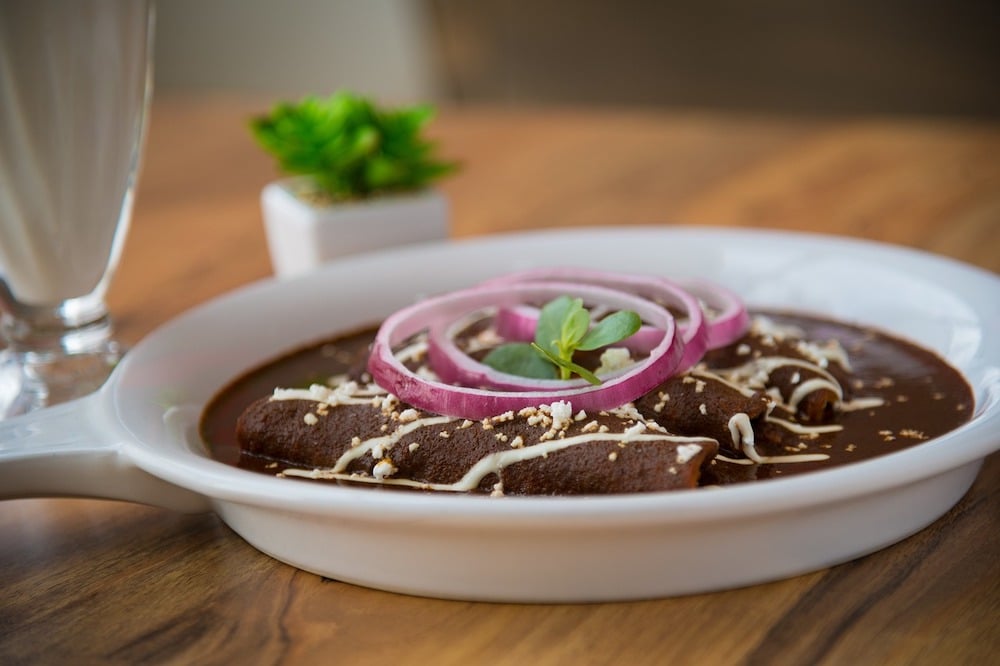
Picture traditional Mexican mole sauce, which can include squash, pumpkin, sesame and annatto seeds. Tahini, made with sesame seeds, has been consumed in the Middle East and the Mediterranean for thousands of years. And in Africa, a sauce called egusi is made from melon seeds and served with meat.
If you need a little inspiration, try these Roasted Sweet Potatoes with Yogurt and Sesame Seeds, Butternut Squash Salad with Apples and Pumpkin Seeds or Soaked Granola.
Did you know that the Nutrition Therapy Institute offers all our classes online? That means you can get your Nutrition Therapist Master certification wherever you are.
And with group start and independent start options, you can find the right pace for you. Get support while learning with others, or find flexibility in your own schedule.
Learn more about our unique nutrition therapy program and certification today.
About the author: Maya Strausberg earned her Master Nutrition Therapist certification from NTI before starting her nutrition therapy private practice. She now offers writing and editing services for nutritionists and other health practitioners around the world through her business, Family Tree Nutrition.
Images:
- Photo by Maddi Bazzocco on Unsplash
- Photo by VD Photography on Unsplash
- Image by cesar huitron from Pixabay
Share this post!
Categories
Recent Posts

Oct. 07, 2026
The Hormone-Disrupting Chemicals Hiding in Plain Sight: Your Beauty Routine
Oct. 01, 2026
Nourishing Taco Bowls
Sep. 24, 2026
Overcoming Food Addiction with Denise Vega

Sep. 22, 2026
The 5 Essentials of a Sustainable Nutrition Practice
Sep. 01, 2026
Seasonal Salad with Cottage Cheese and Plum Vinaigrette