
Share this post!
I heard something on a podcast that caught my attention, about which I have been unable to stop thinking. It was a political podcast, discussing the potential consequences of the recent midterm elections, with the advancement of Medicare for All being one possibility. For those who immediately are dismissive of any discussion regarding politics and who say “I stay out of conversations regarding politics”, I encourage you to think about this – If you eat, you are involved in politics; if you have concerns about health, you are involved in politics.
Is Access to Medical Care the Whole Healthcare Story?
So, the line that caught my attention in this political discussion went something like this… “we need Medicare for All because there are so many sick Americans that need medical attention and if they don’t get it, they will die (or die earlier). And the reason they are so sick is because they didn’t have access to medical attention in the first place”.
Well, that last bit raised my ire and I had a lot to say to my phone (that was playing the podcast…). My 20+ years of developing a deep understanding about the inescapable consequences of choosing to eat a diet that is unsupportive of optimal health tells me that the vast majority of people are not sick because they didn’t have early access a doctor (to prescribe medications); it’s because they didn’t have enough education and knowledge about how to be better decision makers when it comes to one of the biggest influences on their health outcomes – their food choices.
For the vast majority, it’s pretty simple – choose to eat low quality, nutrient deficient foods, and eventually it will catch up to you in the form of declining health. No, diet is not the only factor, but it’s an undeniable big one. At least 3 times per day, we make choices about how we are going to nourish our body-temple – right down to the level of DNA. Getting it right nearly all of time gives you a head start towards avoiding major health issues. (Note: chronic diseases – by far the largest contributor to poor health, and which constitute 90% of U.S. healthcare expenditures – are well-known to be primarily caused by modifiable lifestyle factors, in which diet is central).
How Food Choices Influence Long-Term Health
When someone voluntarily chooses to formulate the bulk of their diet based on the convenience and (perceived) low cost of eating ultra-processed junk foods, they are sending a signal to their physiology – “suck it up and manage to keep me going for as long as possible but with as little support as I’m willing to give you”. And when this strategy stops working, then they look for a medical rescue which may involve limited cursory “eat better” recommendations, but often prioritizes a pharmaceutical option to manage the symptoms. So, yes, this country definitely needs to fix the healthcare system, but how about teaching people how to take responsibility for their own health by making better food choices.
Why Nutrition Education Matters
And that’s why NTI is here – our graduates have clear understanding about how to be trusted guides for those who want to make meaningful change. We aren’t surfacy or fluff; we don’t do meaningless banter. We are about real education – real intelligence, skill and rigor – for people who are serious about making a difference in the world. If you haven’t already joined us, what are you waiting for?
-Dianne Koehler, Nutrition Therapy Institute Director
Share this post!
Categories
Recent Posts
Nov. 18, 2026
Can Better Nutrition Education Help Address America’s Healthcare Crisis?
Nov. 01, 2026
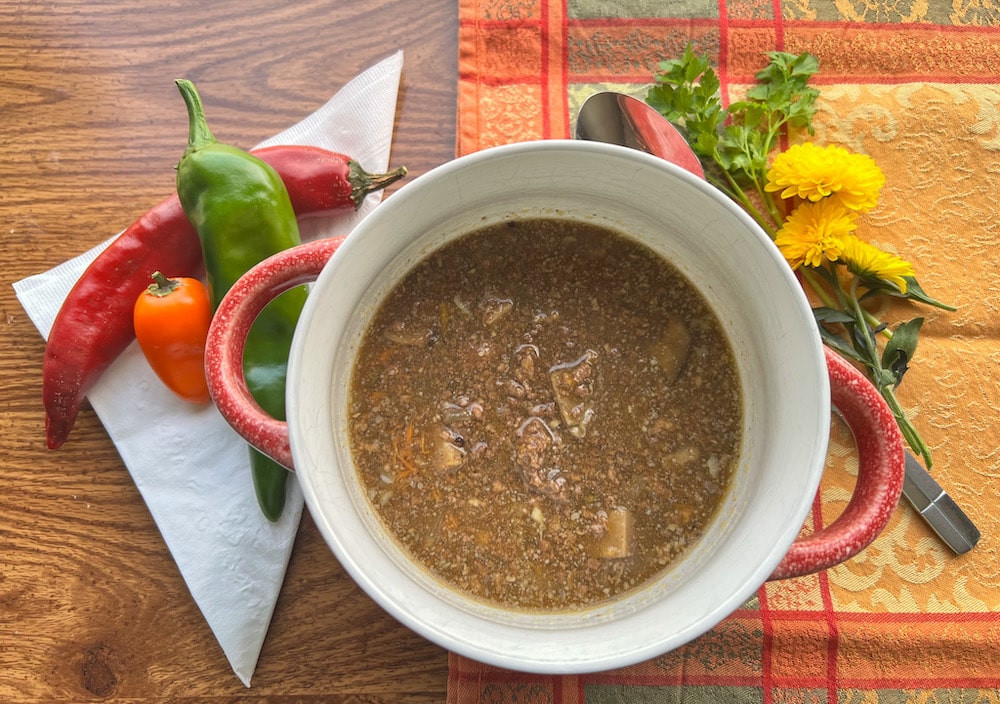
Nightshade-Free Chili From the Heart
Oct. 29, 2026
Legal Considerations for Nutrition Professionals with Lisa Fraley

Oct. 07, 2026
The Hormone-Disrupting Chemicals Hiding in Plain Sight: Your Beauty Routine
Oct. 01, 2026
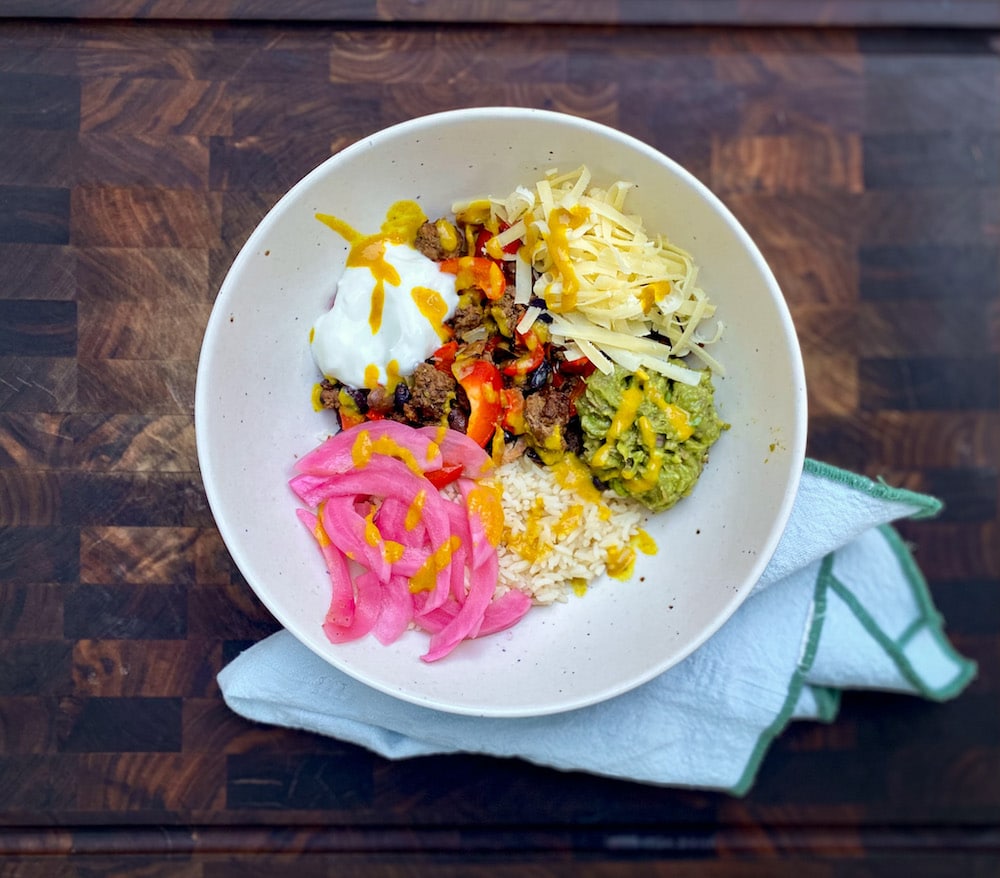
Nourishing Taco Bowls